
An inflation report due out Thursday will offer a look at price increases for the first time in nearly two months, after the 43-day government shutdown affected data collection.
The new data will come amid a spike in inflation in recent months that has coincided with an avalanche of tariffs issued by President Donald Trump. Economists expect the acceleration in price increases to have continued last month, forecasting a jump in year-on-year inflation from 3% in September to 3.1% in November.
The report will detail the latest price movements for high-profile items such as coffee, beef and eggs.
In September, the most recent month for which data is available, the price of coffee soared nearly 19% and the price of beef jumped about 15%, compared to the same month a year earlier.
The year-on-year price of eggs fell almost 5% in September, offering a bright spot for consumers.
The federal government will release partial price data for October, but the release will not include a figure for the overall price increase that month as officials failed to gather enough information during the government shutdown, the government said. Bureau of Labor Statistics (BLS) said earlier in a statement.
The latest snapshot of price increases comes during a shaky period for the U.S. economy, a period marked by slow hiring and high inflation.
Two major economic data releases earlier this week showed warning signs, some analysts previously told ABC News.

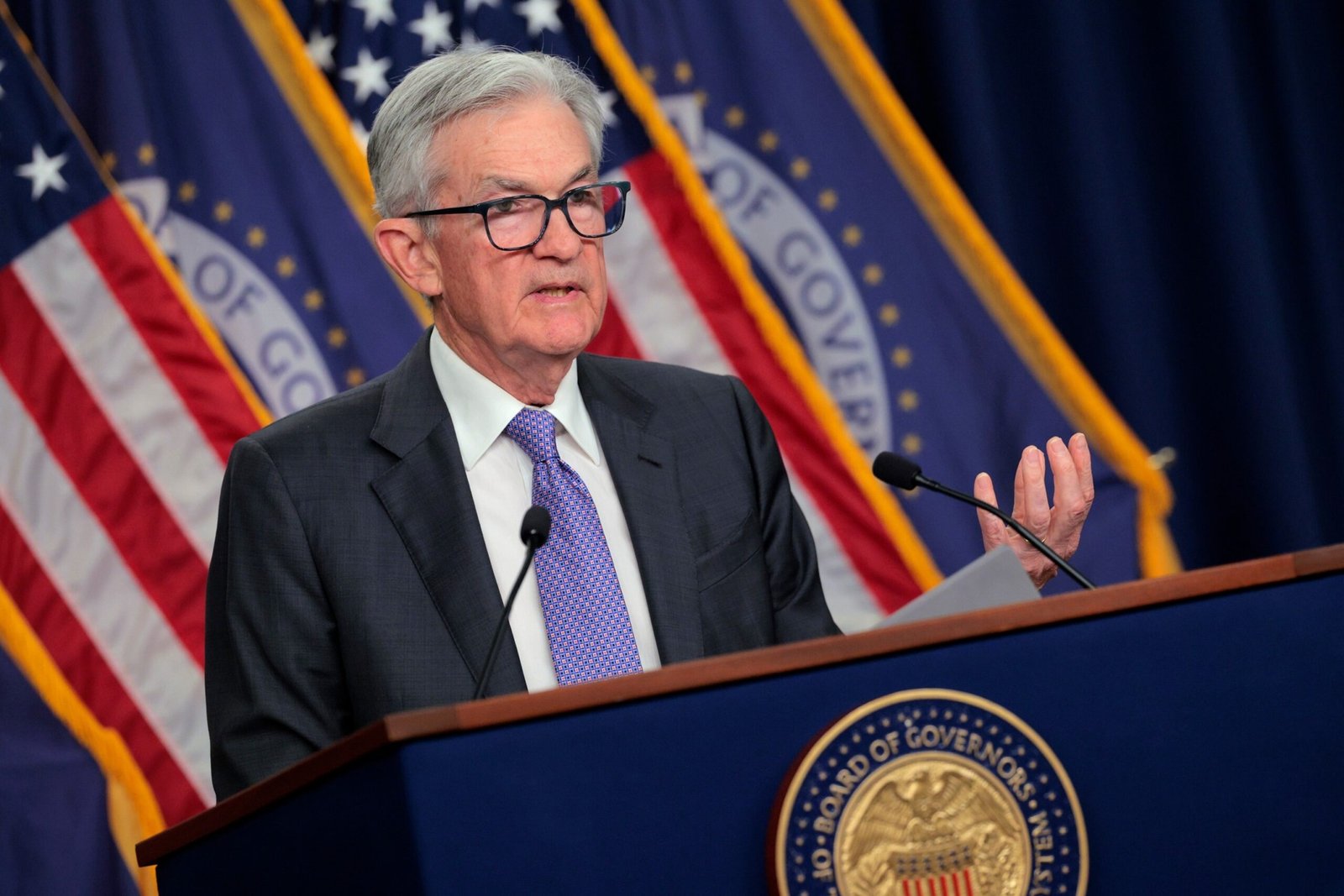
Federal Reserve Chairman Jerome Powell speaks during a press conference following the Federal Open Markets Committee meeting at the Federal Reserve on December 10, 2025 in Washington, DC.
Chip Somodevilla/Getty Images
The United States added 64,000 jobs in November, marking a significant decline from the 119,000 jobs added in September, the most recent month for which complete data is available, the BLS said in a jobs report on Tuesday.
The unemployment rate rose to 4.6% in November from 4.4% in September. Unemployment remains low by historical standards, but has inched up to its highest level since 2021.
A retail sales report on Tuesday also sounded a cautionary note about consumer spending, which accounts for about two-thirds of U.S. economic activity. Retail sales were unchanged in October from September, meaning performance remained stable despite the surge in the holiday season, U.S. Census Bureau data showed.
Last week, the Federal Reserve cut its benchmark interest rate by a quarter of a percentage point in an effort to boost the sluggish labor market. The move represented the third rate cut this year, bringing the Federal Reserve’s benchmark rate to a level between 3.5% and 3.75%.
Interest rates have fallen significantly from a recent peak reached in 2023, but borrowing costs remain well above a 0% rate set at the start of the COVID-19 pandemic.
The Federal Reserve is caught in a bind, as the central bank must balance a dual mandate to keep inflation under control and maximize employment. To address pressure on both goals, the Federal Reserve primarily has a single tool: interest rates.
Pressure on both sides of the Fed’s dual mandate presents a “challenging situation” for the central bank, Federal Reserve Chairman Jerome Powell said at a news conference in Washington, D.C., last week.
“There is no risk-free path for policy as we navigate this tension between our employment and inflation goals,” Powell added.
The Federal Reserve will meet again to adjust interest rates next month. The odds of interest rates remaining unchanged are around 75%, while the chances of a quarter-point cut are 25%, according to CME FedWatch Toola measure of market sentiment.


